
On Tuesday, October 27, 2026, my partner Ania will vote in Israel for the first time. Maybe you and your partner are looking forward to that same moment. I wanted to share how we talked through the choices, along with a few practical things that can make election day easier.
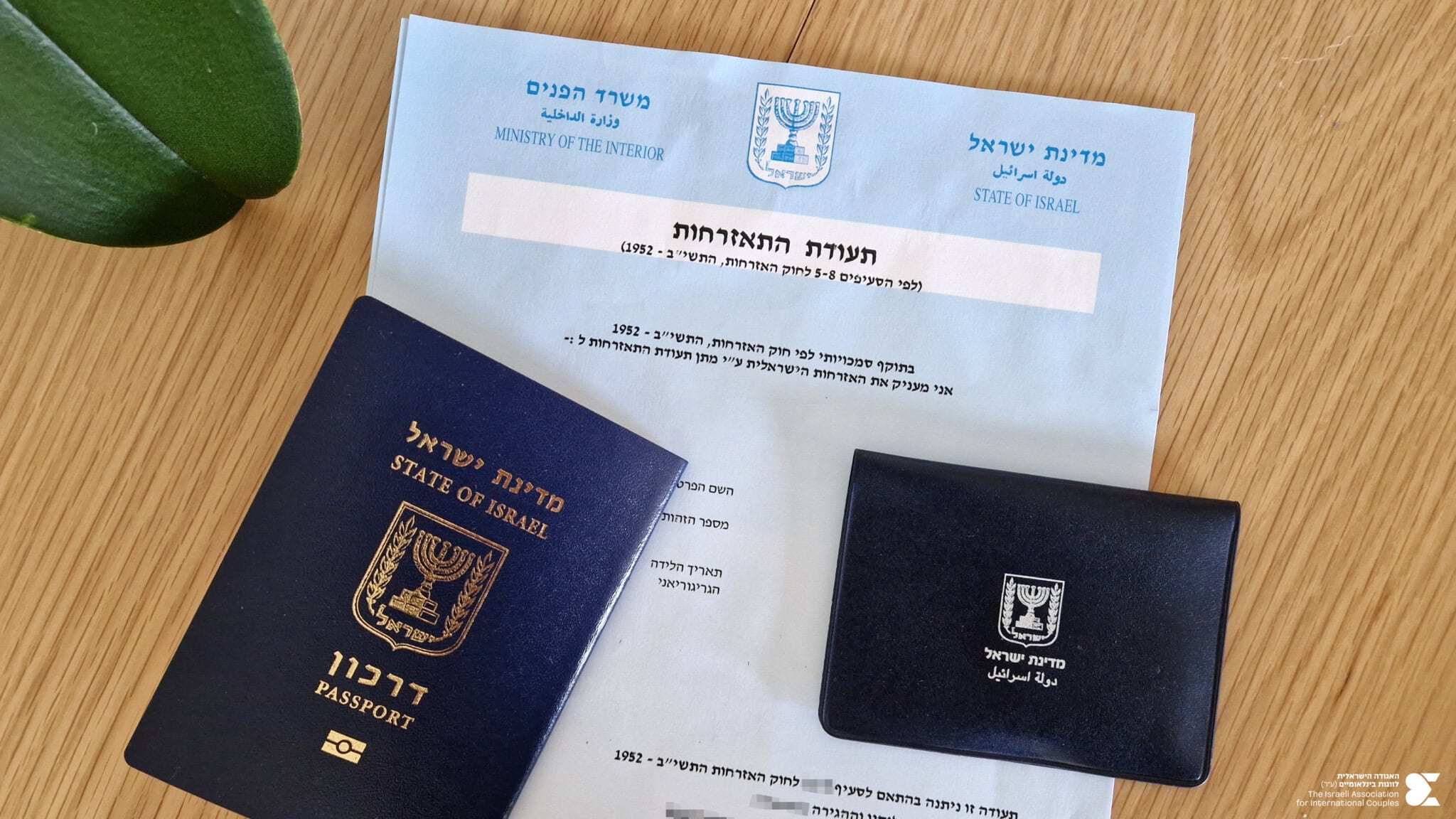
Ania moved to Israel from Poland in 2016. Between 2019 and 2022, Israel held five Knesset elections. I could vote in each one; she could not. The results affected our life together, but she had no ballot to cast. She became an Israeli citizen last year, so this election will be different for us.
With her first vote approaching, we sat down and listed the issues that matter most to each of us. We compared the parties’ positions and tried online voting quizzes. The quizzes gave us questions to discuss, not answers to follow. If your partner is new to Israeli politics, take your time with it. Party names and alliances change, and it can be hard to know where to begin.
Some couples we’ve met disagree deeply about politics. Even then, talking it through can be a good experience if you listen, ask questions and leave room for different conclusions. I want my partner to know what matters to me without letting my views crowd out hers. Her vote is her own.
One issue we made sure to discuss was how parties treat international couples. Ania has citizenship now, but we know how much policies on partner visas and the path to citizenship can shape a couple’s life here. Look at what each party proposes for families with one Israeli and one non-Israeli partner, and check its record. If you can’t find a clear position, ask for one. Even if only one of you can vote, the outcome matters to both of you.
Once you’ve worked through the choices, it helps to sort out the practical details before election day.
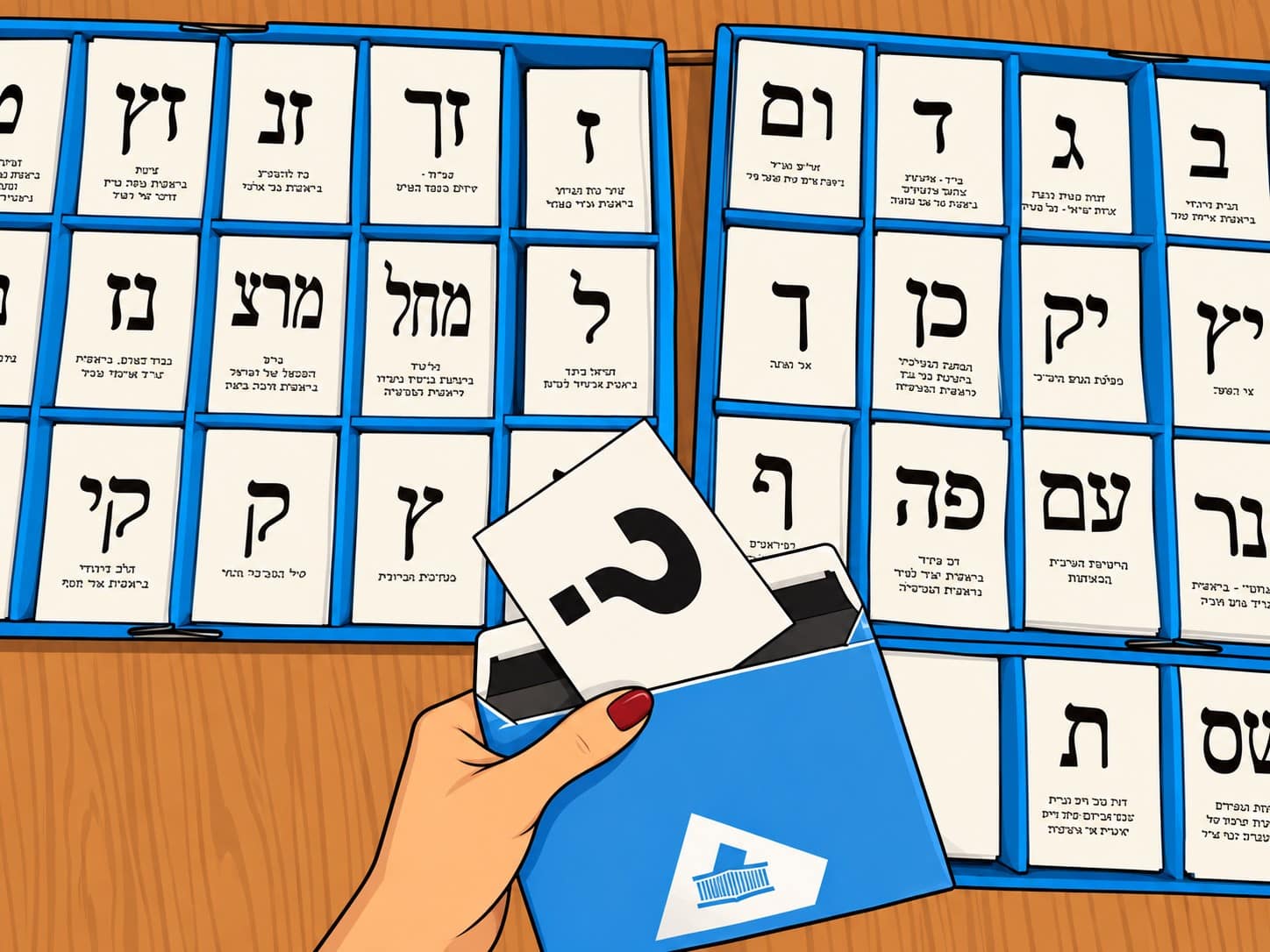
Enter your ID number and date of birth in the Ministry of Interior’s polling station locator to find your assigned station. The address appears in Hebrew. You don’t need to receive or bring the voter notice sent by mail. If you have it, though, bringing it may help polling staff find your name more quickly. Take an accepted photo ID and go to the station shown. Most stations are open from 07:00 to 22:00; some, including those in small communities, close at 20:00. At the station, you’ll receive an envelope. Put one slip for your chosen party list inside it, then place the envelope in the ballot box.
If the locator shows a station somewhere else, you generally need to vote there. If you have a mobility limitation and your assigned station isn’t accessible, you can use a designated special accessible station, including one closer to you. You may need to sign a declaration. Other exceptions apply to groups such as soldiers and hospital patients.
Election Day is a day off for many of us, though some people will still be working. If you have the time, make something of it together after you vote. Get lunch, take a trip—intercity trains and bus routes over 15 km are free-or spend the day at the beach. We plan to make the most of this time together.
If you can vote, please do. For many international couples, reaching the point where both partners have a ballot takes years. It’s a right worth using and celebrating—and a chance to influence the decisions that shape our lives here.