

After months of being effectively stalled, the Israeli government has abruptly revived the highly controversial Surveillance Law targeting international couples. This proposed amendment to the Entry Into Israel Law had been unable to advance since October 2025, both due to sustained public opposition and the resignation of Interior Minister MK Moshe Arbel, who originally proposed the bill and whose resignation left no minister formally responsible for moving it forward.
Two days ago, February 8th, the government moved to resolve this impasse by approving an emergency decision to appoint Prime Minister Benjamin Netanyahu as the minister responsible for the legislation, citing “high urgency“. The government quorum approved the decision, and the bill was immediately sent to the Ministerial Committee for Legislation, which also approved it – all on the same day.
Granting the prime minister ad hoc authority to advance Interior Ministry legislation – despite not being the minister of interior and being barred from holding ministerial powers – is an exceptional step, usually reserved for narrow technical matters. It signals a determined effort by the Population and Immigration Authority (PIBA) to pass the bill within the current far-right government.
Following approval by the Ministerial Committee for Legislation, the next step is a first reading in the parliament. If it passes, the bill will move to the Interior Committee for revisions and detailed discussion – a committee chaired by a member of Otzma Yehudit, an extreme-right party with a hardline stance on immigration and family unification involving non-Jewish foreign nationals.
For international couples and advocacy groups, this stage is particularly alarming.
The government says the bill was revised following the public comments phase and explicitly references submissions by AIC and other organizations. However, a review of the updated draft suggests that while some language was adjusted, the core powers granted to PIBA remain largely intact.
Under the revised bill, PIBA inspectors would still be granted sweeping investigatory authorities over couples applying for legal status based on their relationship:
The addition of section 1(c) is one of the main changes made in the new version. It frames home visits and public surveillance as limited to cases where there is “doubt” about whether the couple meets the application requirements. However, the bill still does not define what counts as “doubt” or establish clear criteria for when these measures can be used, leaving PIBA with almost unlimited discretion to conduct invasive surveillance, just as in the original draft.
Moreover, by explicitly tying Section 1(c)’s authorities to “doubt,” the equally extreme powers in Section 1(b) – such as accessing phones, computers, and third–party information – appear to remain unrestricted, potentially allowing PIBA to use them even without any suspicion.
With political backing secured at the highest level, the legislation is no longer dormant, and advocacy groups are bracing for a renewed and accelerated battle in the Knesset. As the main affected community, AIC is leading lobbying and advocacy efforts to ensure that members of parliament – across coalition and opposition – understand the serious threat this bill poses to the basic rights of Israeli citizens.
We’re calling on you, international couples in Israel, to make your voices heard. Speak up. Contact members of Knesset. The more Israelis they hear from, the harder this issue will be to ignore.
Please use the table below to send a message to at least 3 different parliament members of your choosing. You can use our suggested text, or write freely in your own language.
Suggested message to coalition members:
שלום רב, שמי _____. אני מבקש להסב את תשומת לבך להצעת חוק הכניסה לישראל (סמכויות פיקוח…) שאושרה בועדת שרים לחקיקה ביום ראשון. בתור אזרח ישראלי שכפוף להליכים הנ”ל, החוק פוגע בי מאוד. הוא יאפשר לפקחי משרד הפנים לחטט בטלפון הנייד שלי ולצלם מתוכו תמונות אינטימיות, ויאפשר למדינה לעקוב אחרי ואחרי משפחתי ברחוב, כאילו הייתי עבריין. אני מבקש שתמנעו מלקדם את הצעת החוק הזו או לחלופין שההצעה תצומצם כך שהזכויות של אזרחים שומרי חוק כמוני לא יפגעו. תודה על תשומת הלב
Suggested message to opposition members:
שלום רב, שמי _____. אני מבקש להסב את תשומת לבך להצעת חוק הכניסה לישראל (סמכויות פיקוח…) שאושרה בועדת שרים לחקיקה ביום ראשון. בתור אזרח ישראלי שכפוף להליכים הנ”ל, החוק פוגע בי מאוד. הוא יאפשר למשרד הפנים לחטט בטלפון הנייד שלי ולצלם מתוכו תמונות אינטימיות, ויאפשר למדינה לעקוב אחרי ואחרי משפחתי ברחוב, כאילו הייתי עבריין. החוק לא הוגן, הוא יגרום לתלות שלי בצדדים שלישיים (שכנים, מעסיקים), והוא מתעלם מהעובדה שההליכים שאני ובת הזוג שלי עוברים במשרד הפנים הם הליכים פוגעניים ממילא שמהווים חדירה חמורה לפרטיות שלנו כבר היום. אני מבקש שתפעלו בכל הכוח בהתנגדות לחוק הזה כי זה פשוט לא הגיוני שתתאפשר פגיעה כה חמורה בזכויות שלי כאזרח ובבני משפחתי. אודה להתייחסותך
Simply click the WhatsApp link to send a quick message.
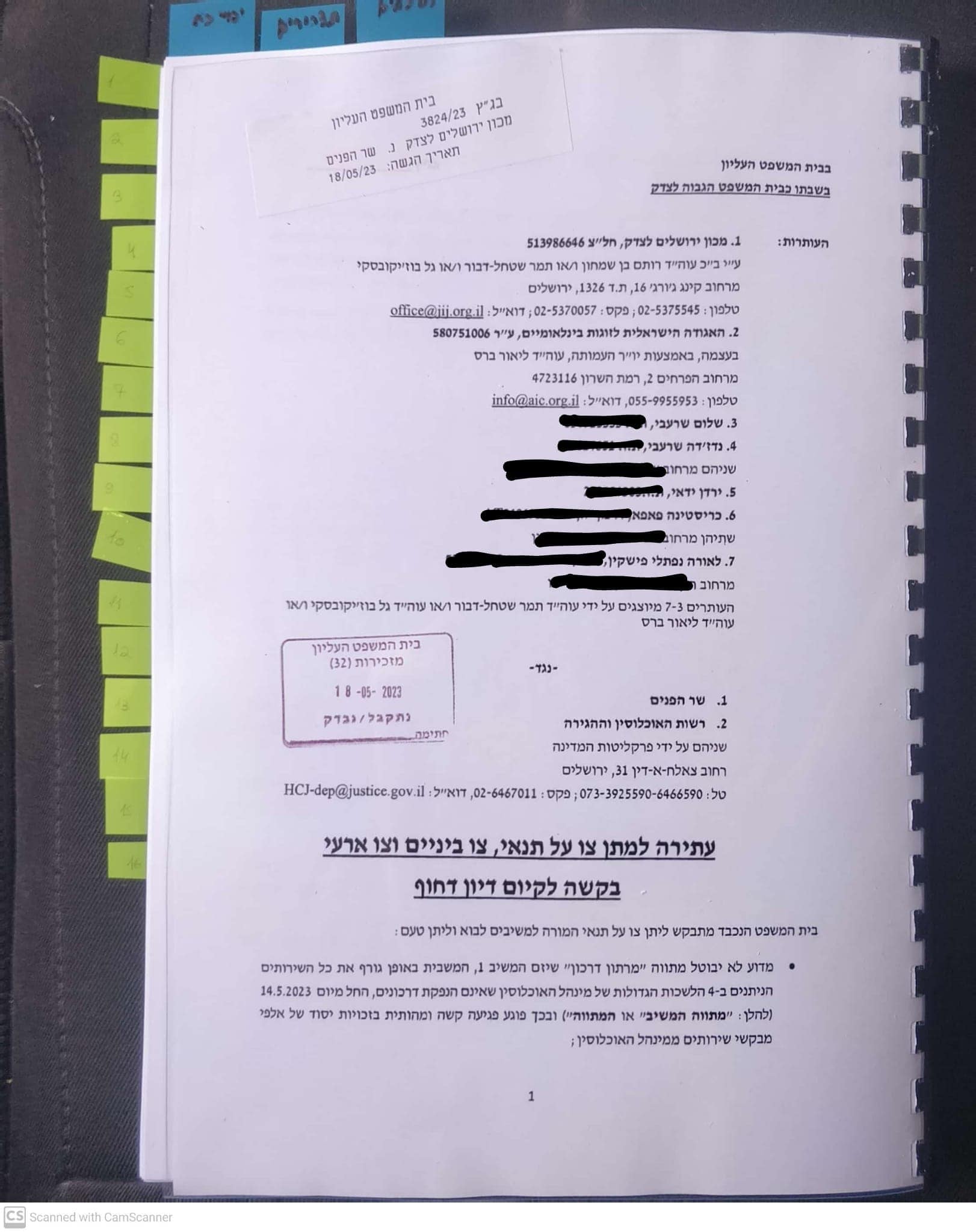
If you were asked for more context, feel free to share AIC’s legal opinion with the parliament member.
Members of the Interior Committee to contact
| Link | Name |
| Click to WhatsApp | יצחק קרויזר |
| Click to WhatsApp | משה ארבל |
| Click to WhatsApp | יעקב אשר |
| Click to WhatsApp | ששון גואטה |
| Click to WhatsApp | מיכל מרים וולדיגר |
| Click to WhatsApp | אכרם חסון |
| Click to WhatsApp | חנוך מלביצקי |
| Click to WhatsApp | אתי עטייה |
| Click to WhatsApp | אליהו רביבו |
| Click to WhatsApp | סמיר בן סעיד |
| Click to WhatsApp | ווליד טאהא |
| Click to WhatsApp | יוראי להב הרצנו |
| Click to WhatsApp | יוליה מלינובסקי |
| Click to WhatsApp | מטי צרפתי הרכבי |
| Click to WhatsApp | יעל רון בן משה |
Other parliament members to contact
| Click to WhatsApp | אלי כהן |
| Click to WhatsApp | יואב גלנט |
| Click to WhatsApp | אמיר אוחנה |
| Click to WhatsApp | יואב קיש |
| Click to WhatsApp | ניר ברקת |
| Click to WhatsApp | אבי דיכטר |
| Click to WhatsApp | ישראל כץ |
| Click to WhatsApp | דני דנון |
| Click to WhatsApp | יולי אדלשטיין |
| Click to WhatsApp | אופיר אקוניס |
| Click to WhatsApp | טלי גוטליב |
| Click to WhatsApp | בעז ביסמוט |
| Click to WhatsApp | אליהו דלל |
| Click to WhatsApp | גילה גמליאל |
| Click to WhatsApp | דן אילוז |
| Click to WhatsApp | צגה מלקו |
| Click to WhatsApp | זאב אלקין |
| Click to WhatsApp | שרן השכל |
| Click to WhatsApp | מישל בוסקילה |
| Click to WhatsApp | משה סולומון |
If you believe in this fight, help us keep going – become a monthly donor to AIC today. This bill won’t stop itself. AIC is leading the charge, but we can’t sustain the fight without your support. Every shekel counts.